
The U.S. Senate passed the Bipartisan American Affordability and Jobs Act 62-33, a permitting overhaul for energy and infrastructure projects that now goes to the House.
On November 19 the Senate approved the most far-reaching federal permitting reform to get this far in years. It still has to clear the House, which is expected to take it up after Thanksgiving.
What it means for designers
Most of us never touch NEPA directly, but we feel it as schedule risk: a project paused after mobilisation, a redesign forced by a late legal challenge, a utility connection that slips by years. If permits become harder to reopen, design freeze dates should start to mean something again. The transmission part matters most for data centers and industrial sites, where power is already the limiting factor, as the 13% jump in data center construction costs and October's manufacturing-led construction starts show. Nothing changes until the House acts, though.
Has permitting or a grid connection delay ever forced a redesign on one of your projects?
Russian version: https://bim3d.org/threads/senat-ssa-prinal-reformu-razresitel-noj-sistemy-62-golosami-protiv-33.520/
On November 19 the Senate approved the most far-reaching federal permitting reform to get this far in years. It still has to clear the House, which is expected to take it up after Thanksgiving.
US Senate Passes Permitting Reform Bill for Energy and Infrastructure
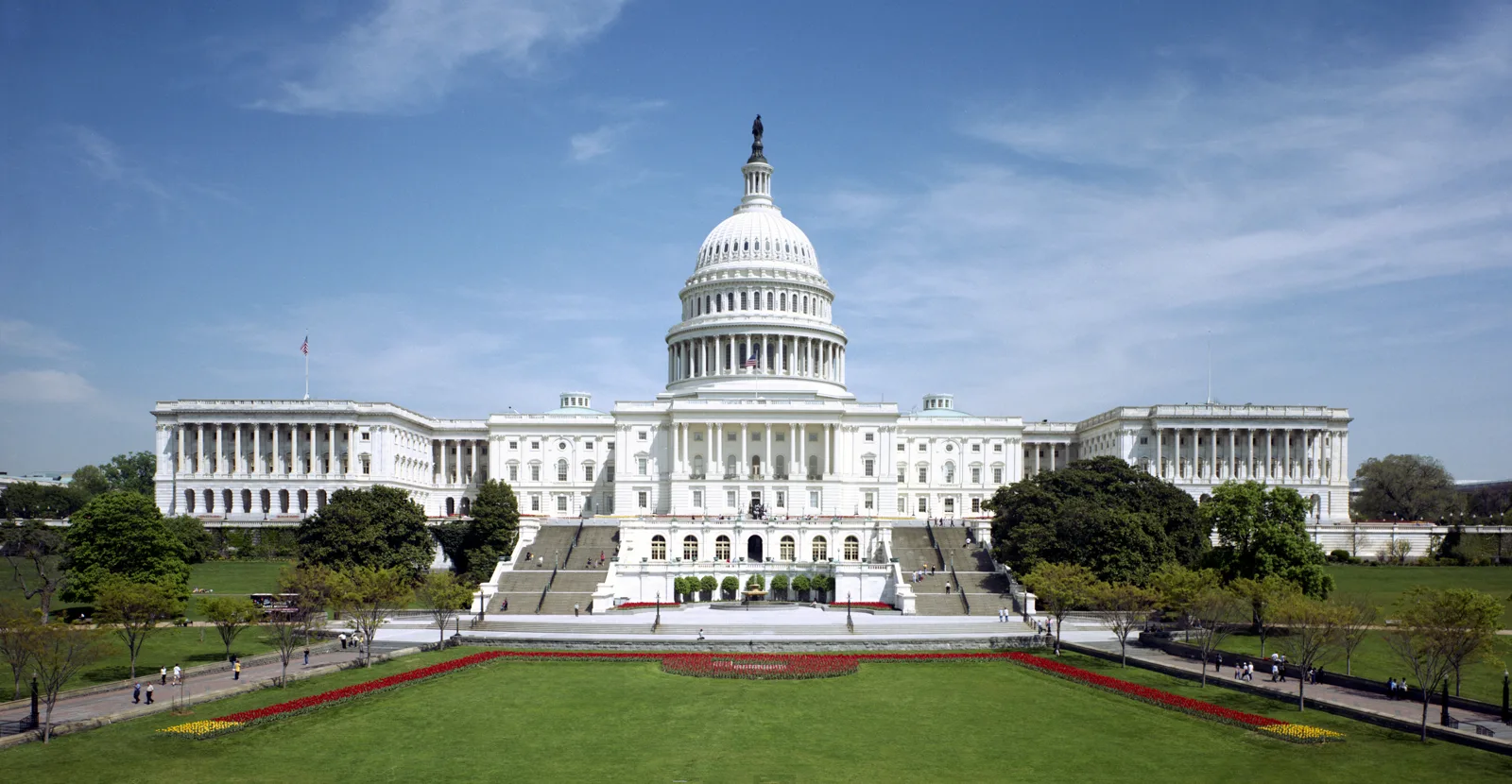
West front of the United States Capitol in Washington. The Senate passed the Bipartisan American...
- Environmental reviews under NEPA get tighter, enforceable deadlines.
- Lawsuits against covered federal approvals would generally have to be filed within 150 days.
- Agencies would be largely barred from revoking or materially changing permits once a project holds all its federal approvals, with limited exceptions.
- FERC gets more authority over interstate transmission siting, and planning and cost allocation rules change.
- Large data centers would carry more of the cost of grid infrastructure built to serve them.
What it means for designers
Most of us never touch NEPA directly, but we feel it as schedule risk: a project paused after mobilisation, a redesign forced by a late legal challenge, a utility connection that slips by years. If permits become harder to reopen, design freeze dates should start to mean something again. The transmission part matters most for data centers and industrial sites, where power is already the limiting factor, as the 13% jump in data center construction costs and October's manufacturing-led construction starts show. Nothing changes until the House acts, though.
Has permitting or a grid connection delay ever forced a redesign on one of your projects?
Russian version: https://bim3d.org/threads/senat-ssa-prinal-reformu-razresitel-noj-sistemy-62-golosami-protiv-33.520/